Important Plumbing Rules UK Homeowners Should Know Before Work
Whether you're planning a home renovation, upgrading your bathroom, or managing a property development, understanding plumbing regulations is crucial. Homeowners and businesses alike must stay compliant with UK legal standards to avoid costly mistakes, health hazards, and potential fines.
From installing new fixtures to dealing with emergency situations, knowing the right procedures can make all the difference.
We break down key plumbing regulations with practical tips for homeowners, builders, and renovation professionals.
Understanding Building Regulations for Plumbing Work
In the UK, all building work, including plumbing, must comply with the Building Regulations 2010. These set out minimum standards for health, safety, energy efficiency, and water usage. The most relevant parts include:
- Part G - Sanitation, hot water safety, and water efficiency.
- Part H - Drainage and waste disposal.
- Part L - Conservation of fuel and power.
If you're adding or replacing a bathroom, moving water pipes, or installing new drainage, it may be considered "notifiable work". This means you must inform your local authority or use a plumber who is part of a competent person scheme. Work done without following these rules may need to be re-done, or worse - you could face enforcement action.
Notifiable Plumbing Work: What Needs Approval?
Not all jobs are created equal. Some small repairs and maintenance tasks (like fixing a leaking tap) can be done without notifying your local council. However, larger projects must follow legal procedures.
You must notify Building Control if you're:
- Installing a new bathroom or toilet in a location where there wasn't one before.
- Changing the use of a building (e.g. converting a loft or garage).
- Installing new drainage systems or altering the layout of existing pipework.
- Connecting to a public sewer or water main.
- Replacing hot water storage systems.
Fines can apply for work carried out without proper notification. Additionally, if you plan to sell your home later, unapproved plumbing work could delay the process or result in legal issues. Ensuring compliance from the beginning protects both your investment and your safety.
Water Supply (Water Fittings) Regulations 1999
These regulations are designed to prevent misuse, waste, contamination, and undue consumption of the public water supply. They apply to all systems, water fittings, and appliances connected to public mains in England and Wales.
Some of the key requirements include:
- Ensuring all fittings are suitable for drinking water and properly installed.
- Preventing backflow (where contaminated water flows back into clean water).
- Installing proper valves and controls for hot water systems.
- Ensuring that pipework layouts do not increase the risk of contamination.
Property owners must notify their local water supplier before carrying out certain types of work, such as:
- Installing a bidet with a douche spray.
- Installing a large bath (over 230 litres).
- Adding a rainwater harvesting system.
- Changing the use of water (e.g. for a commercial purpose).
This regulation is especially important during extensive renovations. Homeowners and businesses should work closely with qualified plumbers to avoid unintentional violations and protect water safety.
Compliance with Drainage and Waste Disposal Standards
Proper drainage is more than just good practice - it's a legal requirement. Poorly installed or maintained drainage systems can pose serious health risks and environmental problems.
Under Building Regulations Part H, all drainage and waste systems must be designed and installed to:
- Prevent foul odours and gases from entering the property.
- Remove waste efficiently and hygienically.
- Avoid pollution of surface and groundwater.
- Prevent blockages or backflow.
Drainage work must be installed using durable materials, adequately ventilated, and must slope properly to ensure flow. For example, if you're planning a kitchen extension, you need to make sure your new sink's waste pipe connects correctly to your existing drainage network.
Businesses and homeowners managing large waste volumes - such as during renovations, landscaping, or property clear-outs - must also consider how waste is disposed of safely. In such scenarios, professional support can help ensure that all systems comply with legal and environmental standards.
If your drainage system becomes blocked and you’re facing an urgent issue, it’s crucial to seek help from professionals who specialise in drain cleaning to avoid further complications.
Working with Certified Professionals
While some minor jobs can be handled by experienced DIYers, most significant work should be completed by professionals. Hiring a certified plumber ensures that your installation meets legal requirements, avoids costly errors, and keeps your home or project site safe.
In the UK, plumbers who are part of a Competent Person Scheme (such as WaterSafe or CIPHE) can self-certify their work. This means you don’t need to separately notify your local authority - saving time and hassle.
Before hiring a plumber, check that they:
- Are qualified and insured.
- Are registered with a recognised professional body.
- Can provide references or past project examples.
- Understand and adhere to relevant regulations.
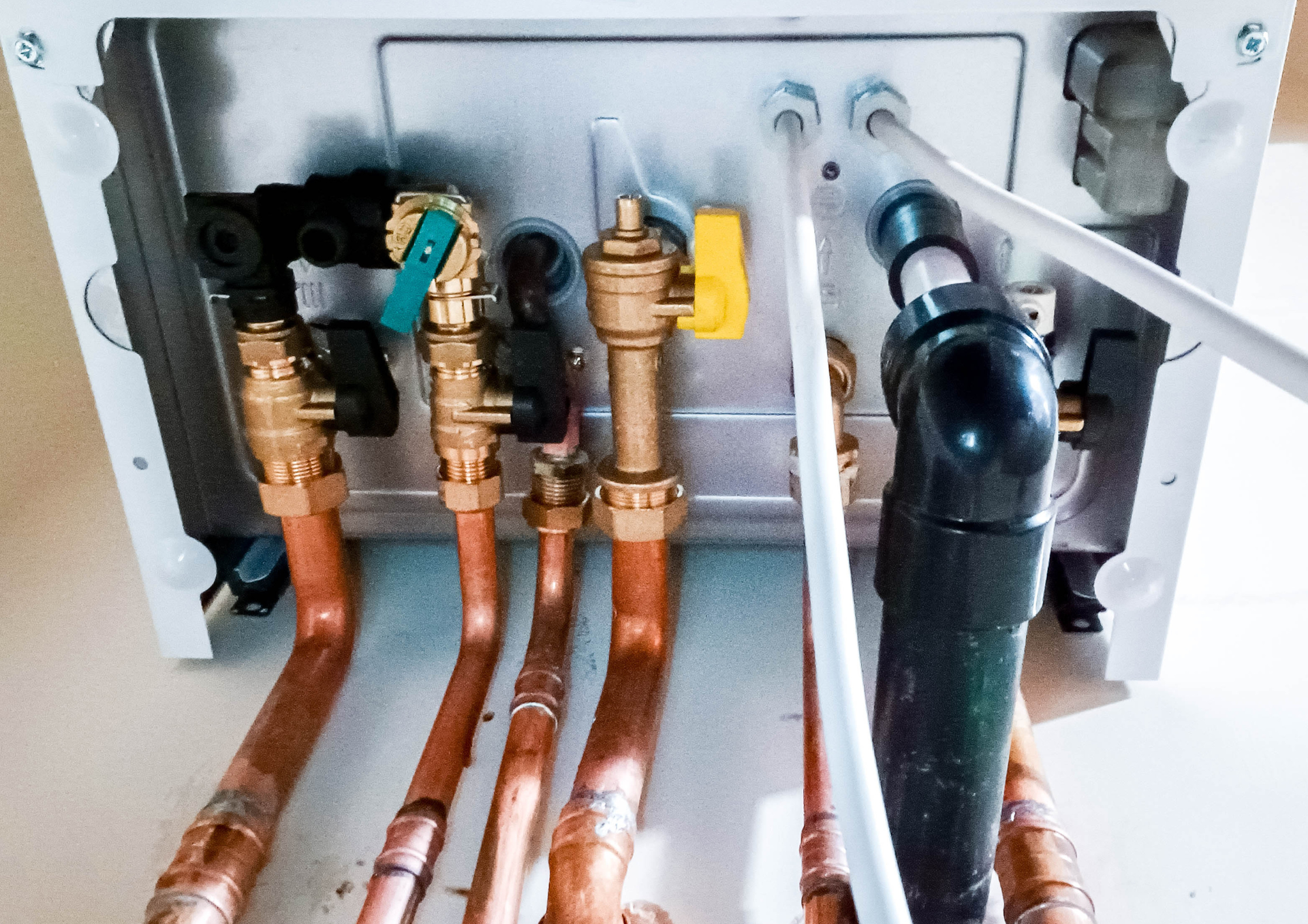
This is particularly important for installations like hot water systems. For instance, incorrect work on a boiler or cylinder could lead to overheating or explosion. If you're having issues with your hot water supply, look for someone who specialises in water heater repair to get safe and certified assistance.
What to Do in an Emergency Plumbing Situation
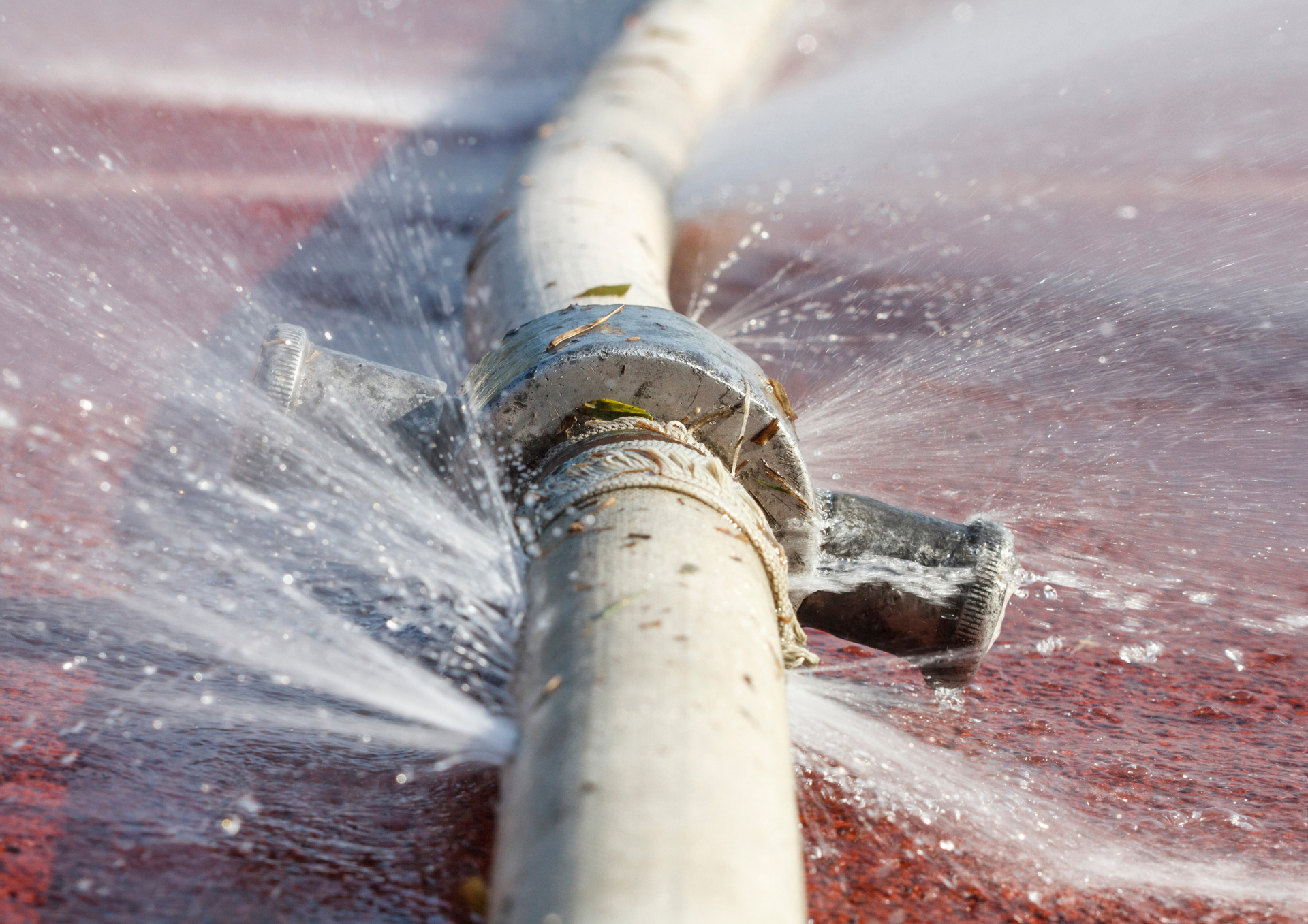
Even with the best preparation, emergencies can happen - from burst pipes to severe leaks or flooding. When a crisis strikes, knowing what to do in the first moments can save your property from extensive damage.
Here’s what to do immediately:
- Turn off the water supply using the internal stopcock.
- Switch off electricity if water is near electrical outlets or devices.
- Move valuables and furniture to a dry area.
- Contact an
emergency plumber straight away.
Avoid trying to fix complex issues yourself during an emergency - you could unintentionally make the problem worse or violate building regulations. Instead, look for a trusted emergency plumber near me who can arrive quickly and manage the situation safely and legally.
Professional plumbers can also advise whether the damage has affected your compliance with Building Regulations, and what steps are needed to get things back in order.
When it comes to fast, reliable, and regulation-compliant support,
Emergency Plumber Luton is the team you can trust. We understand the urgency of emergencies, and our skilled technicians are ready to respond 24/7 - offering reassurance when you need it most.
Our services are professional, fully insured, and handled by certified experts who stay up to date with all UK laws and standards. Whether you’re facing a sudden emergency, planning a renovation, or need help with something as specific as drain cleaning, we’re here to help.
Choose us for transparent pricing, quality workmanship, and peace of mind knowing your property is in safe hands.
Latest post on X: UKplumbing rules explained – what homeowners need to know first!
You might also like